




Showing 1–24 of 66 resultsSorted by price: high to low
Earth Testers
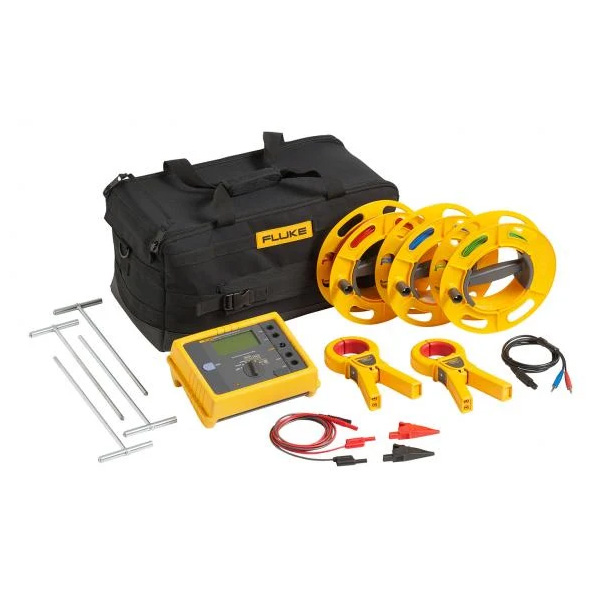
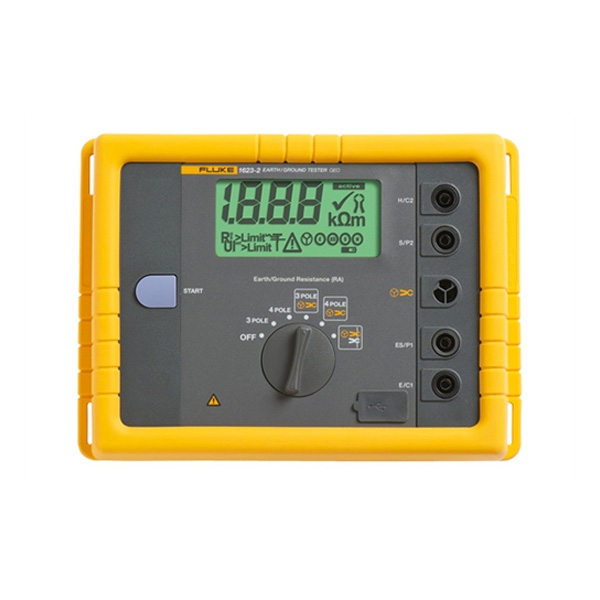
An earth resistance tester (also known as a ground tester or earth Megger) is an essential diagnostic instrument designed to measure earth electrode resistance, loop impedance, and soil resistivity (ρ). These instruments utilize Fall-of-Potential (2/3/4-pole), Attached Rod Technique (ART), and Stakeless clamp testing methods to guarantee personnel safety and safeguard electrical assets.
Mohammad Mahdi Electronics supplies GCC-compliant ground testers for MEP contractors, power utilities, and facility managers across the UAE, Saudi Arabia, Oman, and Qatar—ensuring rigorous compliance with DEWA, SEWA, ADNOC, and Saudi Aramco engineering regulations.
⚡ Quick Selection Guide (By Application & Budget)
- Substations & High-Voltage Utilities: Megger DET2/3 (0.5 mΩ ultra-high resolution, advanced electrical noise rejection)
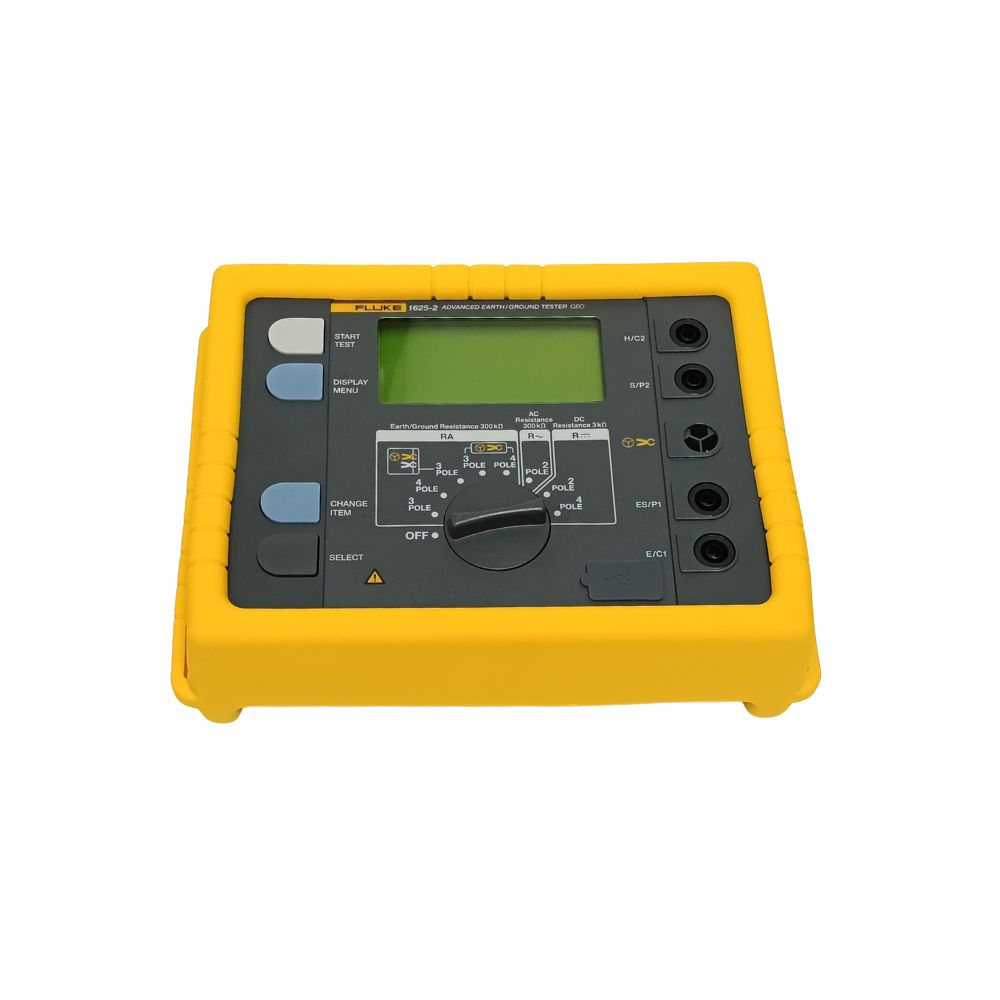
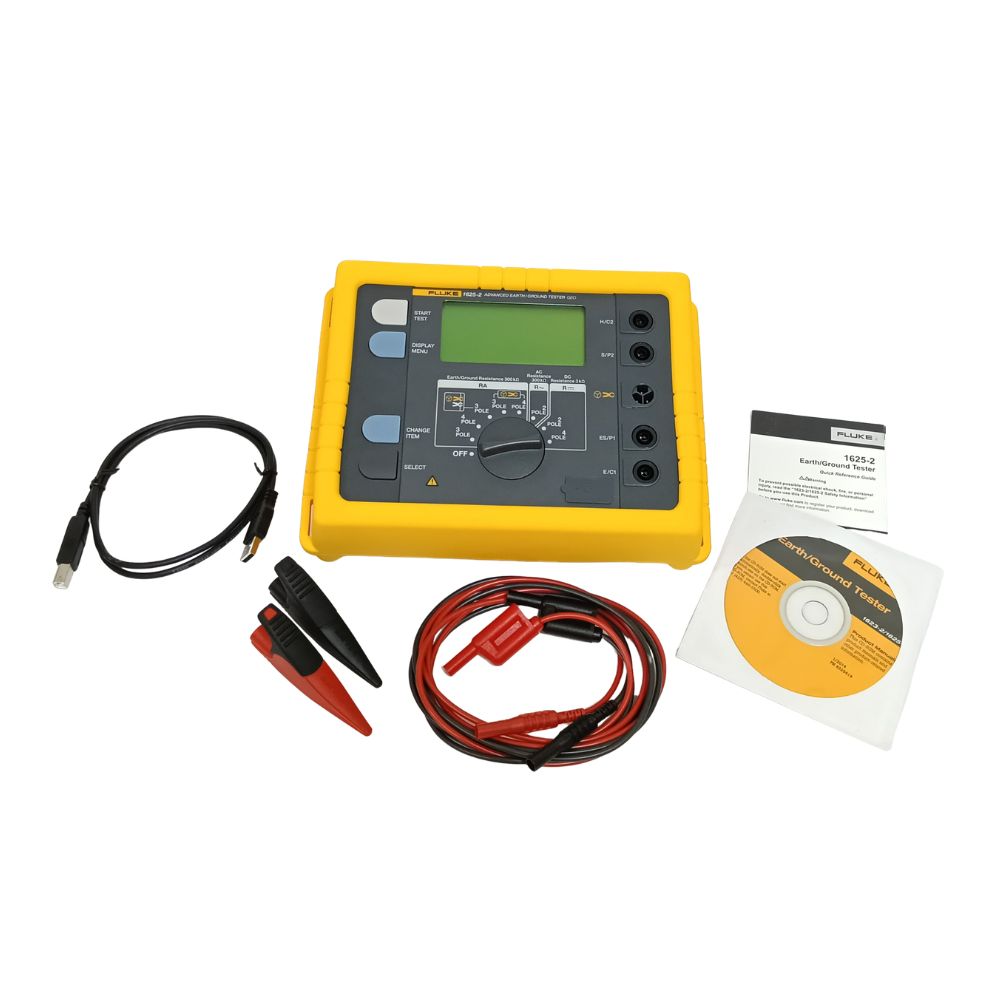
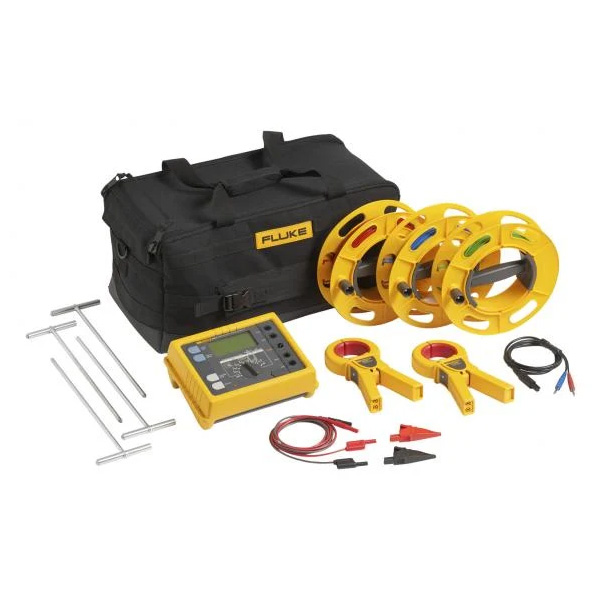
- Soil Resistivity & Greenfield Engineering: Fluke 1625-2 GEO / Megger DET4TC2 (4-Pole Wenner & Schlumberger surveys)
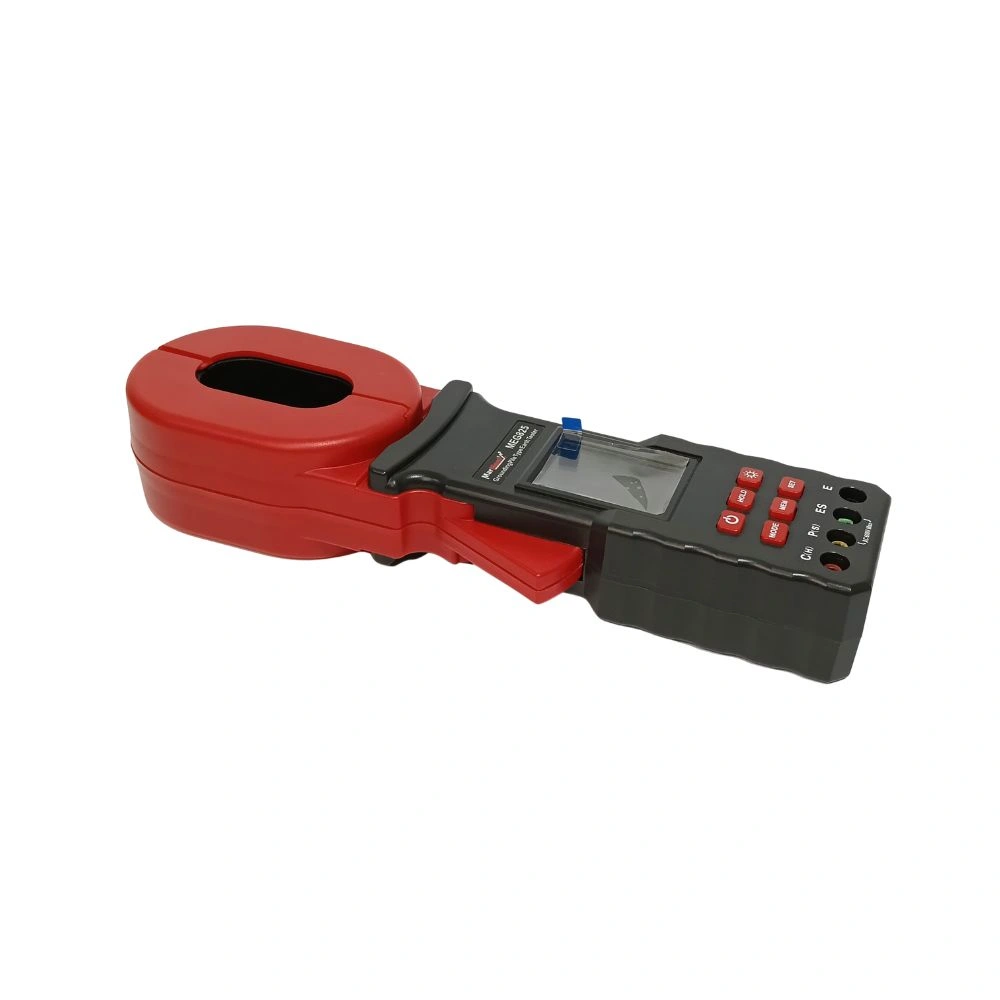
- Paved Urban Areas & Cell Towers: Megger DET24C / Hioki FT6380-50 (Stakeless earth clamp testing without driving stakes)
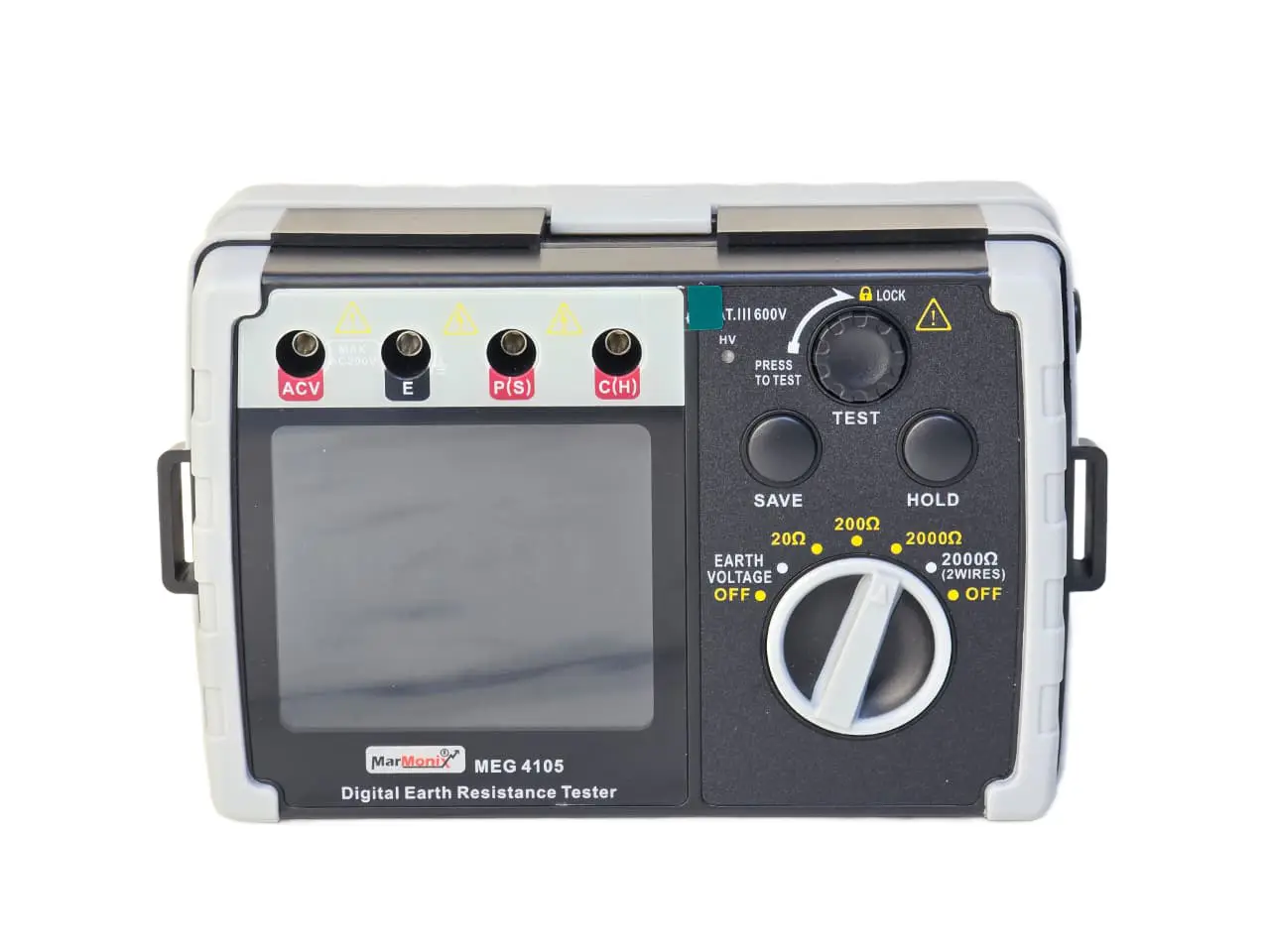
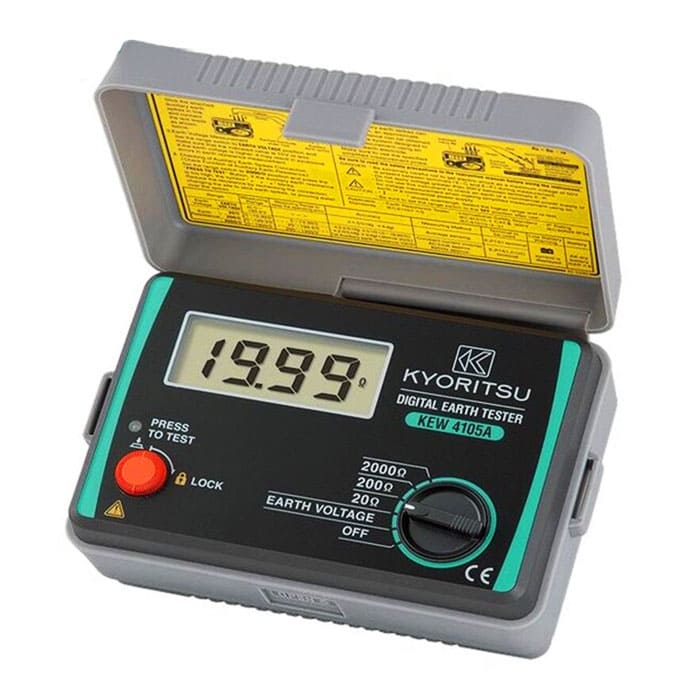
- Commercial & MEP Contracting: Kyoritsu KEW 4105A (Standard 2/3-pole building earth pit testing)
- Cost-Effective Field Maintenance: MarMonix MEG 4105 (Rugged, dust-proof digital earth tester)
Frequently asked questions about Earth Testers
What is an "Earth Megger" and how does it differ from an insulation tester?
An "Earth Megger" measures low resistance (< 1 Ω to 2,000 Ω) between a grounding rod and the earth, whereas an insulation Megger tests high resistance (Mega-ohms to Giga-ohms) across cable insulation using high DC test voltages. Earth testers evaluate safe fault dissipation paths, while insulation testers detect dielectric breakdown.
What is the normal/acceptable earth resistance reading according to DEWA and IEEE standards?
Under DEWA, IEEE 80, and BS 7430 standards, earth resistance must remain below 1.0 Ω for power substations, data centers, and lightning grids, and below 5.0 Ω for commercial and residential buildings. Keeping values below these limits ensures instantaneous fault clearing and prevents dangerous touch potentials.
What is the difference between Earthing and Grounding?
Earthing connects non-current-carrying metallic enclosures to the earth for human shock protection (British standard), while Grounding connects the current-carrying neutral conductor to the earth to stabilize system voltage (North American/IEEE standard). Both protection networks require verified low earth resistance.
What is the difference between an Earth Tester and an Earth Clamp Meter?
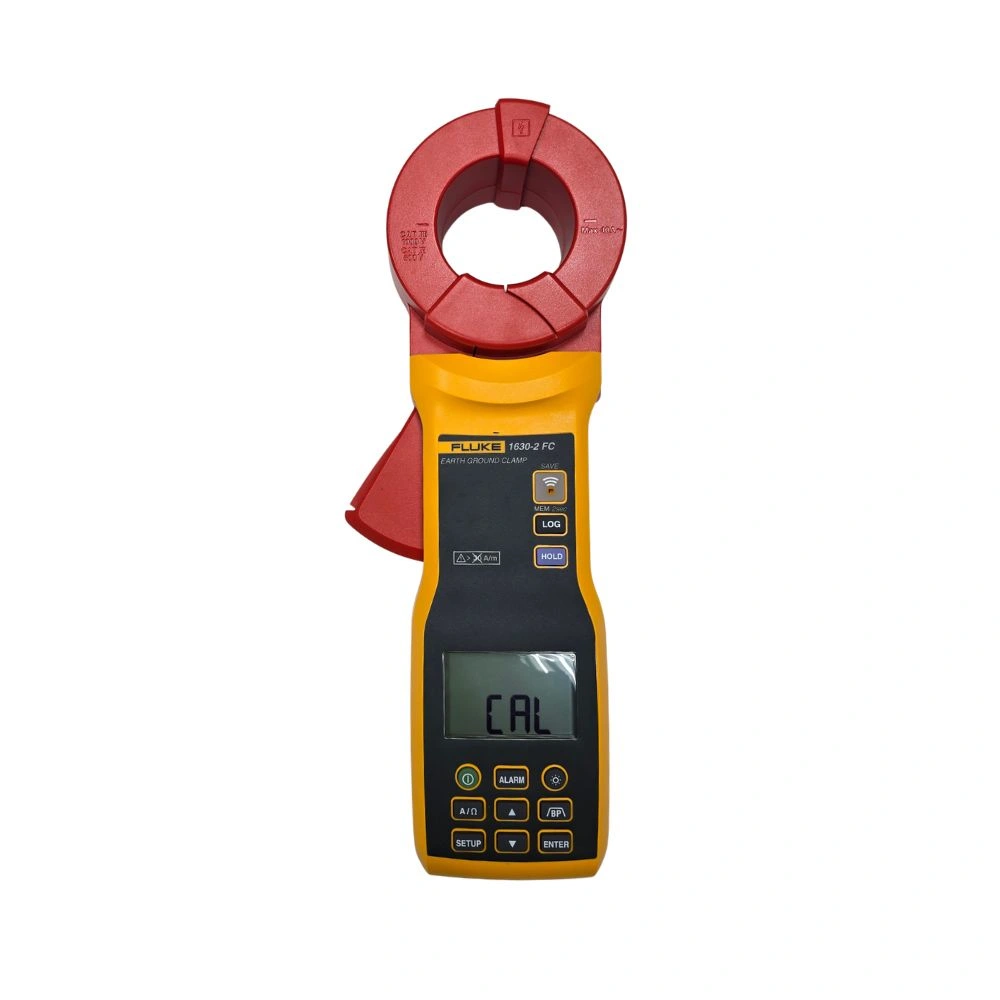
A traditional earth tester uses auxiliary test stakes (Fall-of-Potential method) to isolate and test single ground electrodes, whereas a clamp tester measures total closed-loop resistance non-intrusively without driving stakes or disconnecting ground leads. Clamp testers are ideal for urban and multiconnected earthing grids.
How do TT and TN earthing systems affect earth tester selection?
In TT earthing systems, direct measurement of the independent consumer earth electrode is required using 3-pole testers, while TN systems (such as TN-C-S common in the GCC) allow loop impedance and selective clamp-on diagnostics. Instruments like the Megger DET4TC2 handle both earthing topologies.
Earth Resistance Testers: Technical & Price Guide (UAE & GCC)
| Model Series | Test Methods | Measurement Range | Primary Best Use | Price Range (AED) |
|---|---|---|---|---|
| Megger DET2/3 | 2, 3, 4-Pole, ART, Stakeless | 0.001 Ω to 20 kΩ | DEWA Primary Substations & Soil Profiling | AED 17,000 – 20,000 |
| Megger DET4TC2 / TR2 | 2, 3, 4-Pole, Attached Rod (ART) | 0.01 Ω to 200 kΩ | Industrial Facilities & Telecom Towers | AED 7,200 – 10,200 |
| Megger DET24C / DET14C | Stakeless Earth Clamp | 0.05 Ω to 1,500 Ω | Paved Urban Substations & Lightning Loops | AED 7,500 – 9,680 |
| Kyoritsu KEW 4105A / 4106 | 2 & 3-Pole / 4-Pole Resistivity | 0.01 Ω to 2,000 Ω | Routine Building MEP & Earth Pit Testing | Contact for Price |
| MarMonix MEG 4105 / 825 | 3-Pole Digital / Earth Clamp | 0.01 Ω to 2,000 Ω | Budget Electrical Contracting & Field Verification | AED 450 – 3,500 |
How to Choose the Right Earth Ground Tester in UAE & GCC
Selecting the right ground tester depends on ground topology, physical site constraints, and local utility regulations:
- 3-Pole vs. 4-Pole Testing: Standard 3-pole Fall-of-Potential verifies existing earth pits. If conducting pre-construction geotechnical surveys in dry desert soils, a 4-pole tester supporting Wenner/Schlumberger soil resistivity is required.
- Stakeless Testing Capability: In paved urban substations or asphalt-covered industrial lots where auxiliary ground stakes cannot be driven, clamp-on testers (like Megger DET24C or Hioki FT6380-50) allow non-intrusive loop testing.
- Noise Rejection: High-voltage switchyards generate substantial harmonic stray currents. Choose instruments with selectable test frequencies (94 Hz, 105 Hz, 111 Hz, 128 Hz) to eliminate noise interference.
- DEWA, SEWA & Aramco Traceability: Electrical contractors submitting site inspection documentation require equipment backed by traceable ISO/IEC 17025 accredited calibration certificates.


Bench Multimeters