


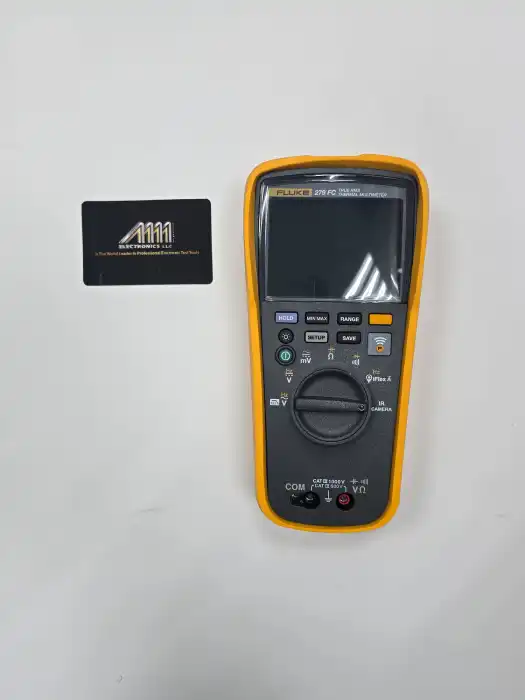


Electrical Capabilities: Fluke 279 FC vs FLIR DM285 in Accuracy & Range
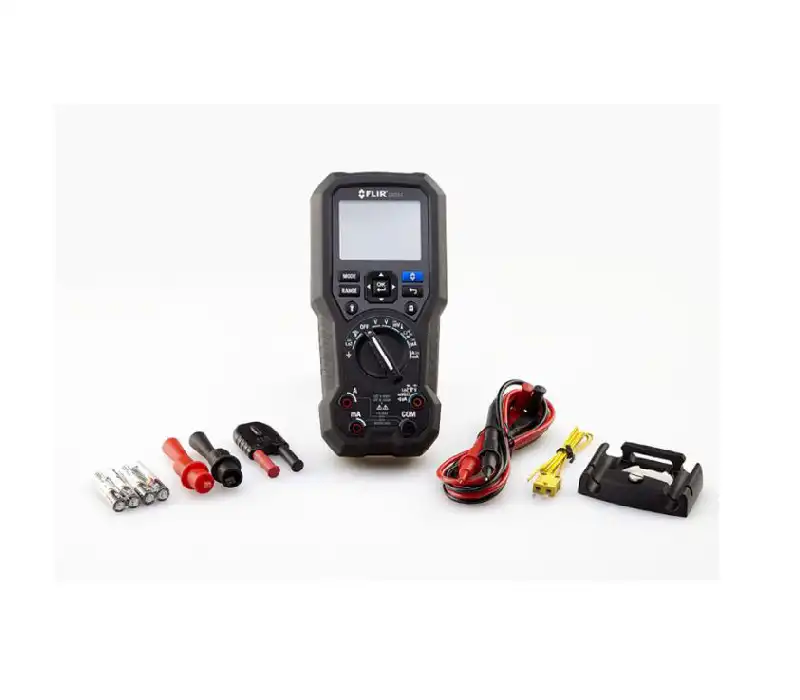
Fluke 279 FC dominates in current measurement, with the iFlex flexible current probe measuring up to 2500A—perfect for high-current industrial panels and switchgear.
In contrast, FLIR DM285 is limited to 10A current but brings added features like:
- LoZ (Low Impe dance) Mode for ghost voltage elimination
- VFD Mode for accurate readings on variable frequency drives
- Thermocouple Input for contacaturt tempere
Smart Workflow & Connectivity: Fluke 279 FC vs FLIR DM285
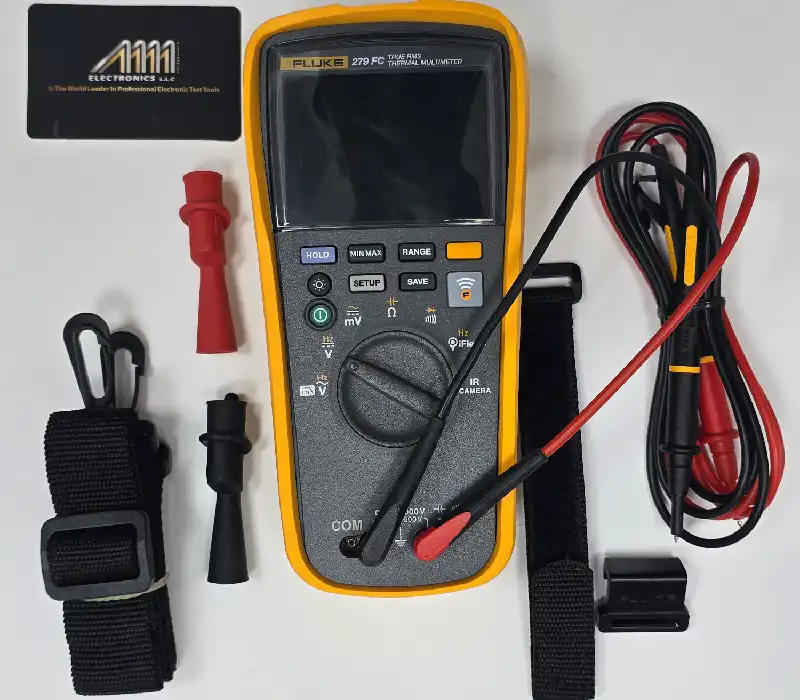
Fluke 279 FC integrates with the Fluke Connect ecosystem — perfect if your company already uses Fluke gear. It supports wireless file sharing, mobile app logging, and team-wide monitoring via cloud.
FLIR DM285, using Bluetooth + FLIR Tools, offers more powerful inspection planning, route management, and PDF report generation, especially useful for service teams.
Practical Use Cases: Fluke 279 FC vs FLIR DM285 in Real Workflows
Fluke 279 FC Ideal For:
- Electrical technicians working on switchgear or heavy-duty motors
- Utility maintenance teams monitoring current surges
- Teams already using Fluke Connect
FLIR DM285 Ideal For:
- HVAC technicians and field service engineers
- Electronics repair specialists who need precise thermal visualization
- Contractors who rely on cloud inspection reports and image-based diagnostics
In 2025, both the Fluke 279 FC and FLIR DM285 remain top-tier thermal multimeters—but they cater to different needs.
| Feature | FLIR DM285 | Fluke 279 FC |
|---|---|---|
| AC Voltage Measurement | Yes | Yes |
| DC Voltage Measurement | Yes | Yes |
| AC Current Measurement | Yes | Yes |
| True RMS | Yes | Yes |
| Max AC/DC Voltage | 1000V | 1000V |
| Resistance Measurement | Yes | Yes |
| Frequency Measurement | Yes | Yes |
| Diode Testing | Yes | Yes |
| Ingress Protection | IP40 | IP40 |
| CAT Rating | IV | IV |
| Manual/Auto-ranging | Auto-ranging | Auto-ranging |
Comparison of Differences: Fluke 279 FC vs FLIR DM285 Multimeters
This table compares the main differences between these two thermal multimeters.
| Feature | FLIR DM285 | Fluke 279 FC |
|---|---|---|
| Sensor Resolution | 160 x 120 ✔ | 80 x 60 |
| Max Temperature | 302°F (150°C) | 392°F (200°C) ✔ |
| Thermal Sensitivity | ≤150 mK | ≤200 mK ✔ |
| Field of View | 46° x 35° ✔ | 36° x 27° |
| Battery Operating Time | 3 hours | 10 hours ✔ |
| Display Size | 2.8 inches | 3.5 inches ✔ |
| Laser Pointer | No | Yes ✔ |
| Camera Light | Yes ✔ | No |
| Maximum Current AC | 10 A ✔ | N/A |
| Minimum Current AC | N/A | 1 A (1000 mA) ✔ |
| Maximum Current DC | 10 A ✔ | N/A |
| Basic Accuracy V DC | 0.09% ✔ | 1.0% |
| Temperature Range Max | 302°F (150°C) | 392°F (200°C) ✔ |
| Image Frequency | 9 Hz ✔ | 8 Hz |
| Screen Size | 2.8 inches | 3.5 inches ✔ |
| Battery Operating Time Continuous | 3 hours | 10 hours ✔ |
Choose Fluke if your focus is industrial power, large-scale current testing, and rugged durability.
Choose FLIR if you prioritize detailed thermal imaging, cloud integration, and diagnostics versatility.
Just ask us! Our team is ready to help you anytime.

What is the primary difference between the Fluke 279 FC and the FLIR DM285?
The Fluke 279 FC is a thermal multimeter with advanced features for electrical inspections, while the FLIR DM285 is designed for both electrical and HVAC systems with enhanced thermal imaging capabilities.
Can both the Fluke 279 FC and FLIR DM285 measure AC/DC voltage?
Yes, both models can measure AC/DC voltage up to 1000V. However, their capabilities and additional features vary depending on the specific applications.
How does the Fluke 279 FC handle data logging compared to the FLIR DM285?
The Fluke 279 FC supports Fluke Connect for wireless data logging and analysis, while the FLIR DM285 allows data export through FLIR Tools, offering similar data management but with different platforms.






د.إ0.00 (excl.VAT)
(4 reviews)


د.إ0.00 (excl.VAT)
(5 reviews)





 Bench Multimeters