

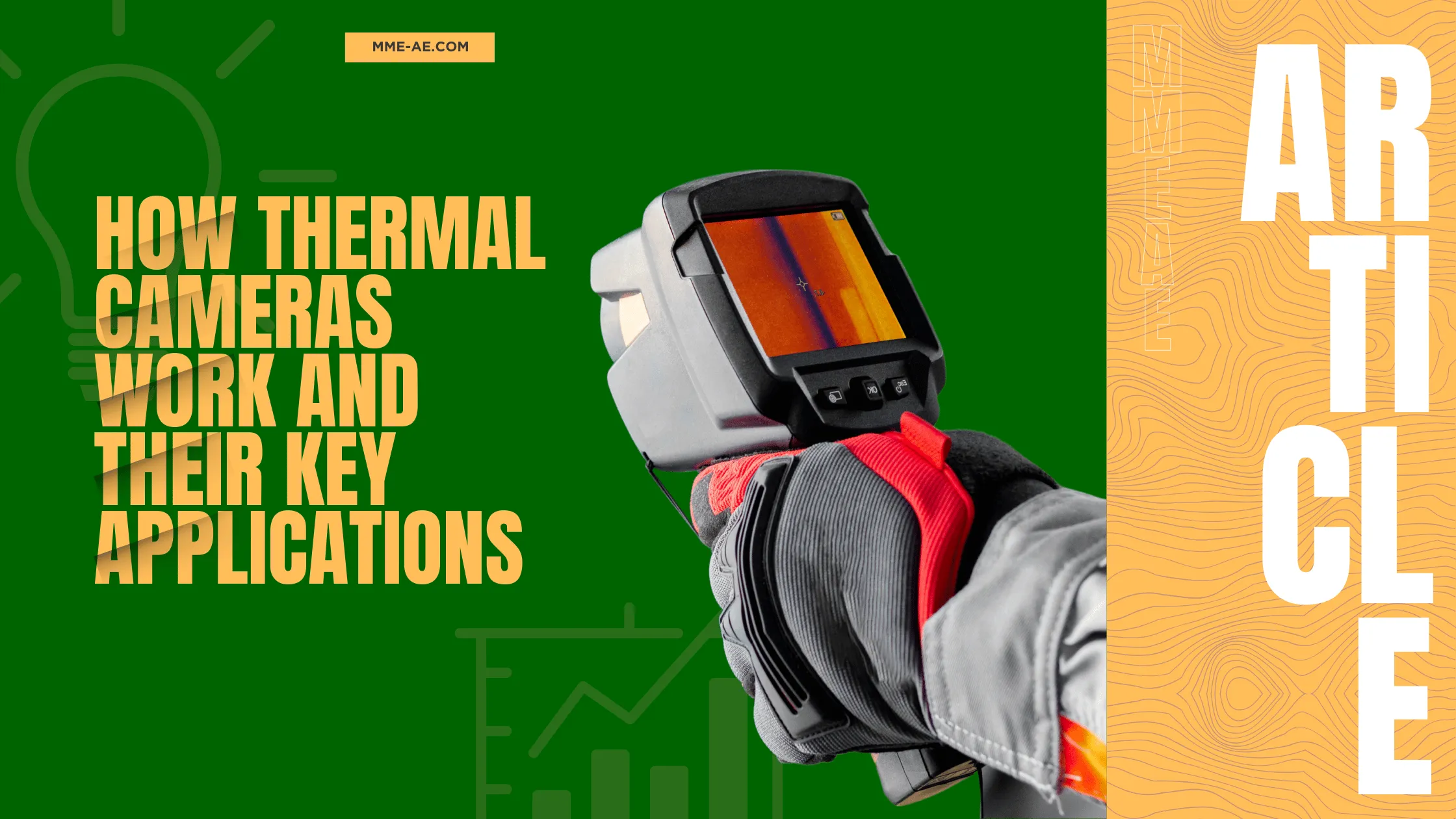
What if you could see what others can’t? From hidden faults in machinery to heat leaks in buildings, thermal cameras give us the ability to unlock a world beyond visible light. These incredible devices don’t just capture images – they capture temperatures, turning heat into valuable information. In industries ranging from construction to healthcare, and even in everyday life, thermal cameras are changing the way we solve problems and improve safety. Ready to explore how they work and why they’re making such a big difference? Let’s dive in!
📢 Expert Insight: According to industry experts and ISO 18434-1:2008 (Condition Monitoring and Diagnostics of Machines – Thermography), thermal imaging is an essential tool for preventive maintenance, energy efficiency, and safety compliance.
How Thermal Cameras Work
The working principle of a thermal camera is based on the fact that all objects emit infrared radiation as a function of their temperature. The hotter the object, the more infrared radiation it emits. Thermal cameras use a special sensor to detect this infrared energy and create an image that represents the heat patterns in a given scene.
Here’s how a typical thermal camera works:
- Infrared Detection: The camera contains a lens that focuses the infrared radiation from objects onto a detector array. The detector is made up of thousands of sensors (usually called pixels), each of which detects the amount of infrared radiation from a small area of the scene.
- Conversion to Temperature: The infrared radiation is converted into an electrical signal. This signal is then processed by the camera’s software to calculate the temperature of each pixel based on the amount of radiation detected.
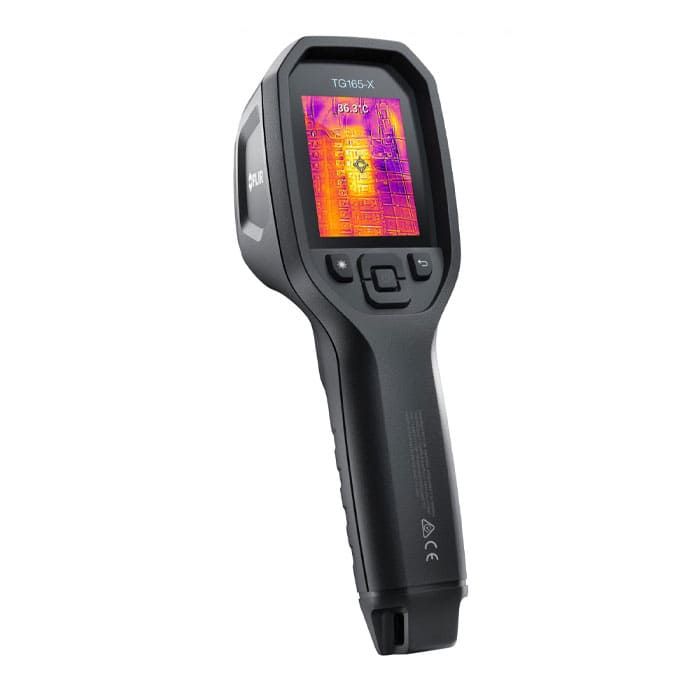
- Thermal Image Creation: The data is converted into a thermal image, where different colors or shades of gray represent various temperature ranges. Warmer areas are typically displayed in brighter colors (like yellow, red, or white), while cooler areas appear in darker colors (such as blue or purple).
- Temperature Calibration: Advanced thermal cameras are calibrated to provide precise temperature measurements, allowing users to measure the exact temperature of an object or area.

If you are curious about the distinctions between different imaging technologies, Thermal Cameras vs Infrared Cameras offer valuable insights.
Key Applications of Thermal Cameras
Thermal cameras have a wide range of applications across different industries due to their ability to detect heat and temperature variations. Some of the key applications include:
1- Electrical Inspections

One of the most common uses of thermal cameras is in electrical inspections. These cameras quickly identify overheating components, loose connections, or faulty wiring that may lead to electrical failures or fire hazards. Electrical contractors and maintenance teams use these cameras to inspect circuit breakers, transformers, and electrical panels without physical contact. Discover key factors to consider in 10 Things You Should Know Before Choosing a Thermal Camera.
2- Building Diagnostics

In construction and building maintenance, thermal cameras help detect insulation issues, moisture intrusion, and air leaks. They reveal areas where heat escapes from a building, improving energy efficiency. They are also helpful in locating leaks in roofs, walls, and floors by identifying cooler areas where water may be present. Read more about these advantages in 10 Surprising Benefits of Thermal Cameras in Inspection.
3- Mechanical Equipment Monitoring

Thermal cameras are crucial for monitoring mechanical equipment in industrial settings. By detecting unusual heat patterns, these cameras can identify potential issues such as overheated bearings, misaligned shafts, or failing motors. This allows maintenance teams to address problems before equipment failure occurs, reducing downtime and repair costs. Check out 7 Best Thermal Cameras to Use in Industrial Maintenance for specific examples.
4- Medical and Veterinary Applications

Thermal imaging is used in both human and veterinary medicine for diagnostic purposes. In humans, thermal cameras detect abnormal heat patterns in the body, which could indicate inflammation, infection, or vascular problems. In veterinary medicine, thermal imaging helps detect injuries, infections, or circulatory issues in animals by analyzing temperature differences on their skin or fur.
📢 Scientific Validation: According to IEEE Transactions on Biomedical Engineering, thermal imaging aids in early disease detection.
5- Firefighting and Rescue

Firefighters use thermal cameras to locate individuals in smoke-filled or dark environments, such as during search and rescue operations. These cameras enable them to see through smoke, detect hot spots, and find victims in burning buildings. They are also used to identify hidden fires or smoldering hotspots during post-fire inspections. Learn about top-performing devices in the Top 10 Best Thermal Cameras in the Market.
6- Security and Surveillance

Thermal cameras are increasingly used in security and surveillance applications because they can detect heat signatures even in complete darkness. This makes them highly effective for monitoring premises, borders, or restricted areas where traditional surveillance cameras might be limited by lighting conditions. They can detect intruders or wildlife in low-visibility conditions such as fog, rain, or darkness.
7- Environmental and Wildlife Monitoring

Thermal cameras are widely used for environmental monitoring, such as tracking wildlife populations, studying animal behavior, and observing nocturnal animals. They are also used in environmental research to detect heat changes in natural habitats, assess forest fire risks, and monitor volcanic activity by detecting heat emitted by magma or hot gases.
8- Automotive and Transportation

In the automotive industry, thermal cameras are used to detect overheating components in vehicles, such as engines, brakes, and tires. In autonomous vehicles, thermal cameras are integrated into advanced driver-assistance systems (ADAS) to enhance night vision and help detect pedestrians, animals, and obstacles in low-light conditions.
9- Law Enforcement and Military

Thermal cameras are commonly used in law enforcement and military operations. They help officers track suspects in darkness, identify hidden weapons, or locate fugitives. Military forces use thermal cameras in various combat and reconnaissance missions to detect heat signatures from vehicles, personnel, or weapons.
To learn more about the role of thermography in system inspections, read the article Thermography Testing and Its Role in Inspection.
Conclusion
Thermal cameras have revolutionized numerous fields by providing a reliable way to detect heat and temperature variations without direct contact. Their wide-ranging applications make them essential tools in industries like electrical inspection, building diagnostics, firefighting, and even medicine. As technology continues to evolve, thermal cameras are likely to become even more sophisticated, offering higher resolution, greater accuracy, and broader applications in the future.
📢 Future of Thermal Imaging: As technology advances, thermal cameras are becoming more accurate, with higher resolution and AI-powered analytics, expanding their potential applications even further.
Do thermal cameras only work in the dark?
No, they work both day and night because they rely on heat detection, not visible light.
What factors affect the accuracy of thermal cameras?
Calibration, environmental conditions (wind, sunlight), sensor resolution, and camera settings impact accuracy.
Do thermal cameras require calibration?
Yes, regular calibration is needed to maintain measurement accuracy and sensor reliability.




د.إ0.00 (excl.VAT)
(5 reviews)

د.إ0.00 (excl.VAT)
(4 reviews)



 Bench Multimeters