Showing 1–24 of 97 resultsSorted by price: high to low

Air Flow

Air Flow Meters  are precision instruments designed to measure fluid velocity, volumetric flow rate (CFM/m³/h), and differential air movement across ventilation circuits. Engineered for MEP contractors, facility managers, and QA/QC engineers across the UAE and GCC, these tools ensure optimal HVAC balancing, regulatory compliance (DEWA/ASHRAE), and industrial process ventilation monitoring.

⚡ Quick Selection Guide: Find Your Air Flow Meter

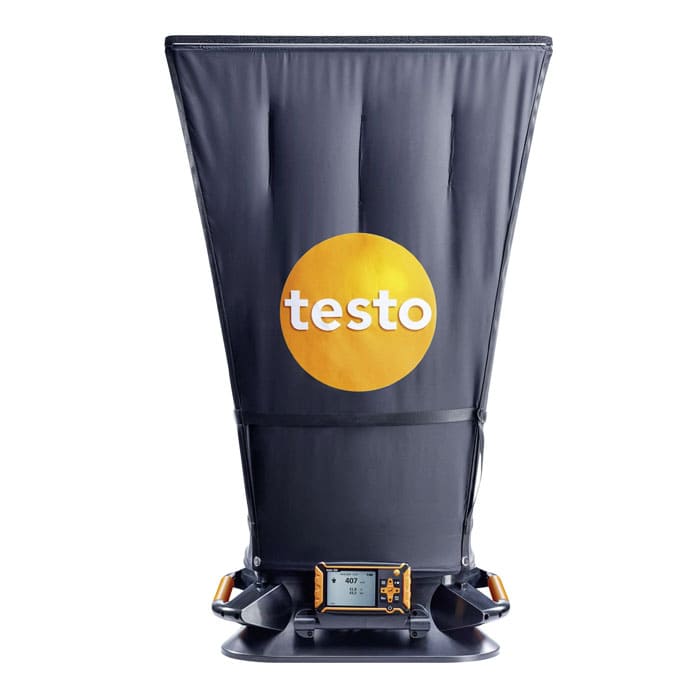
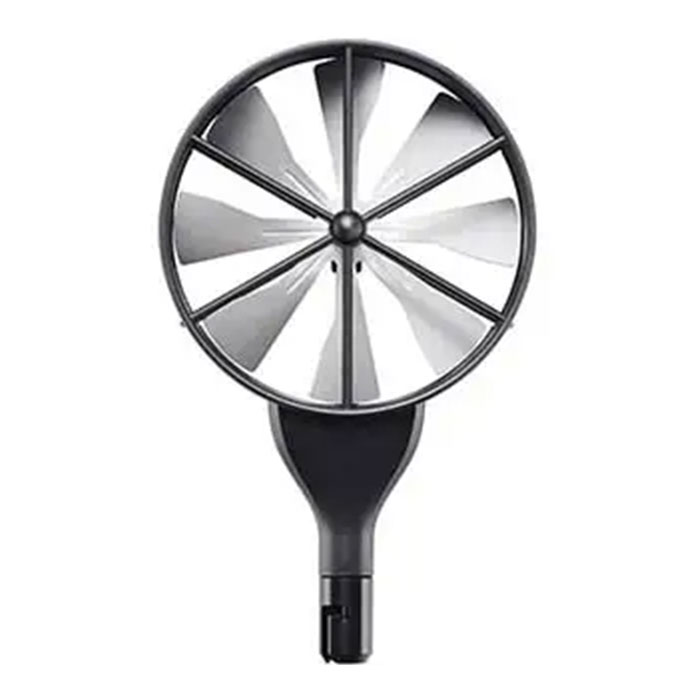
  • Supply/Extract Grilles & Diffusers: Large Vane Anemometer (Testo 417 with flow hood kit).
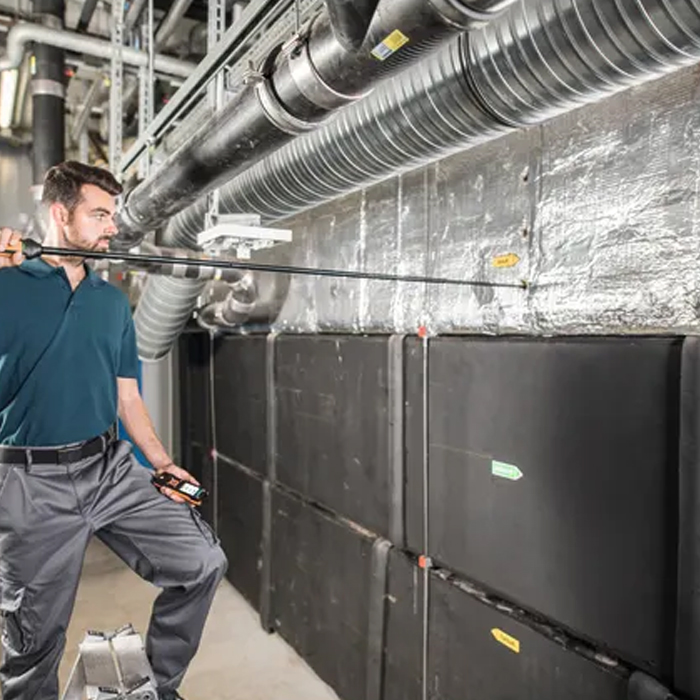
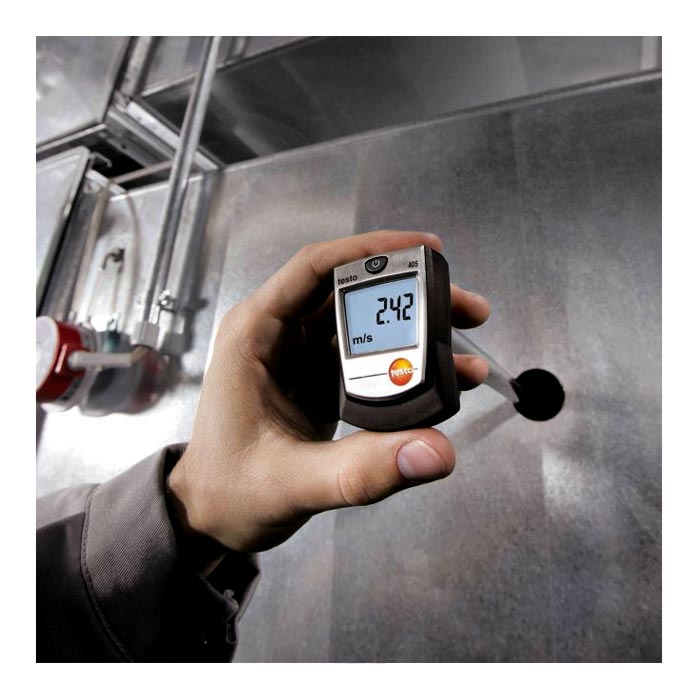
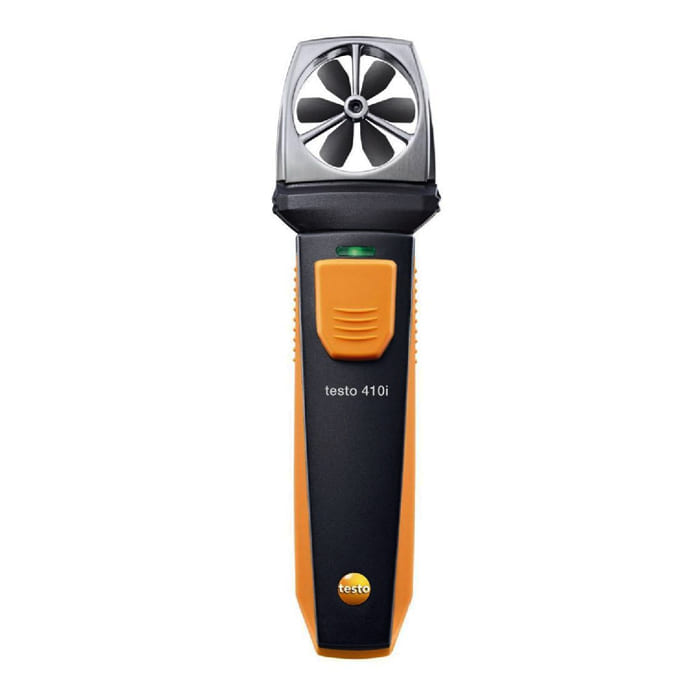
  • Narrow In-Duct Air Velocity & Balancing: Telescopic Thermal Hot-Wire (Testo 425 / Testo 405i).
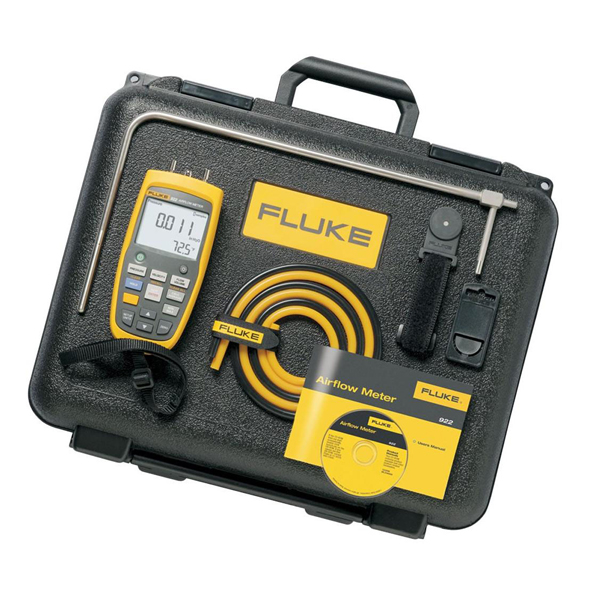
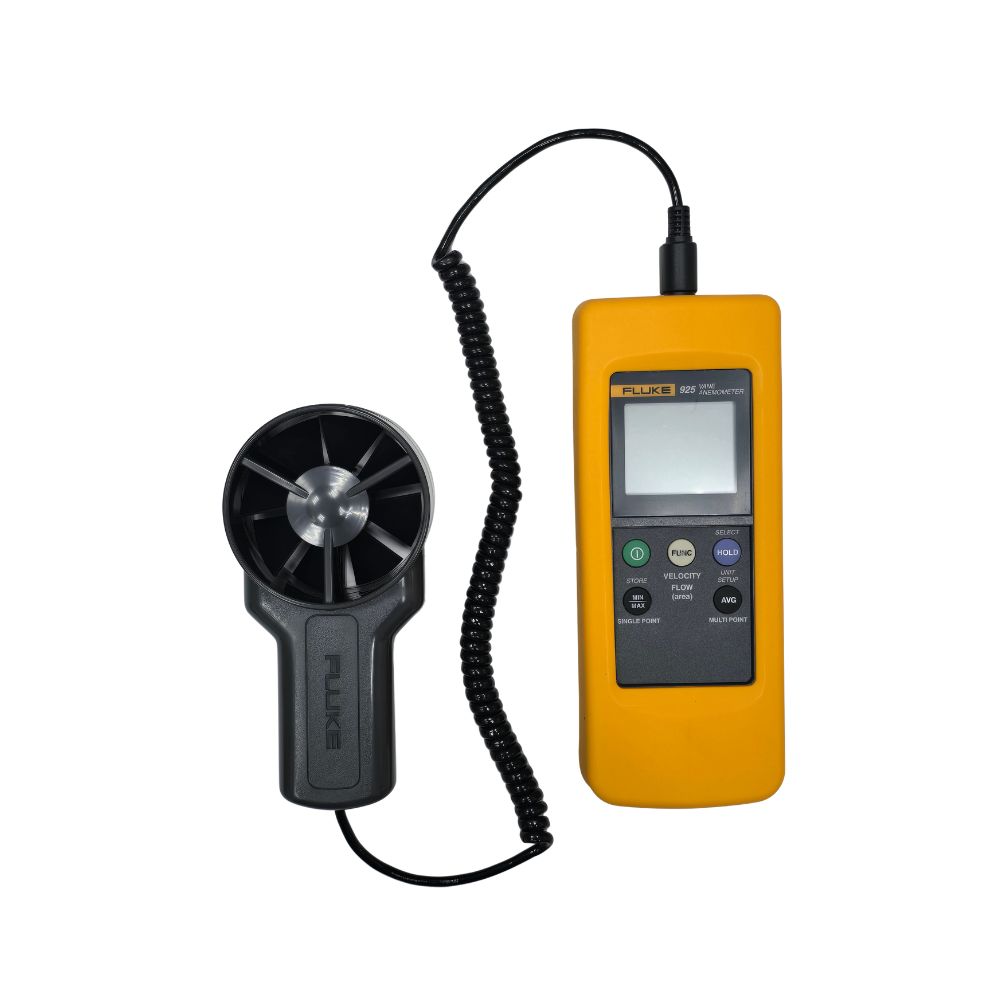
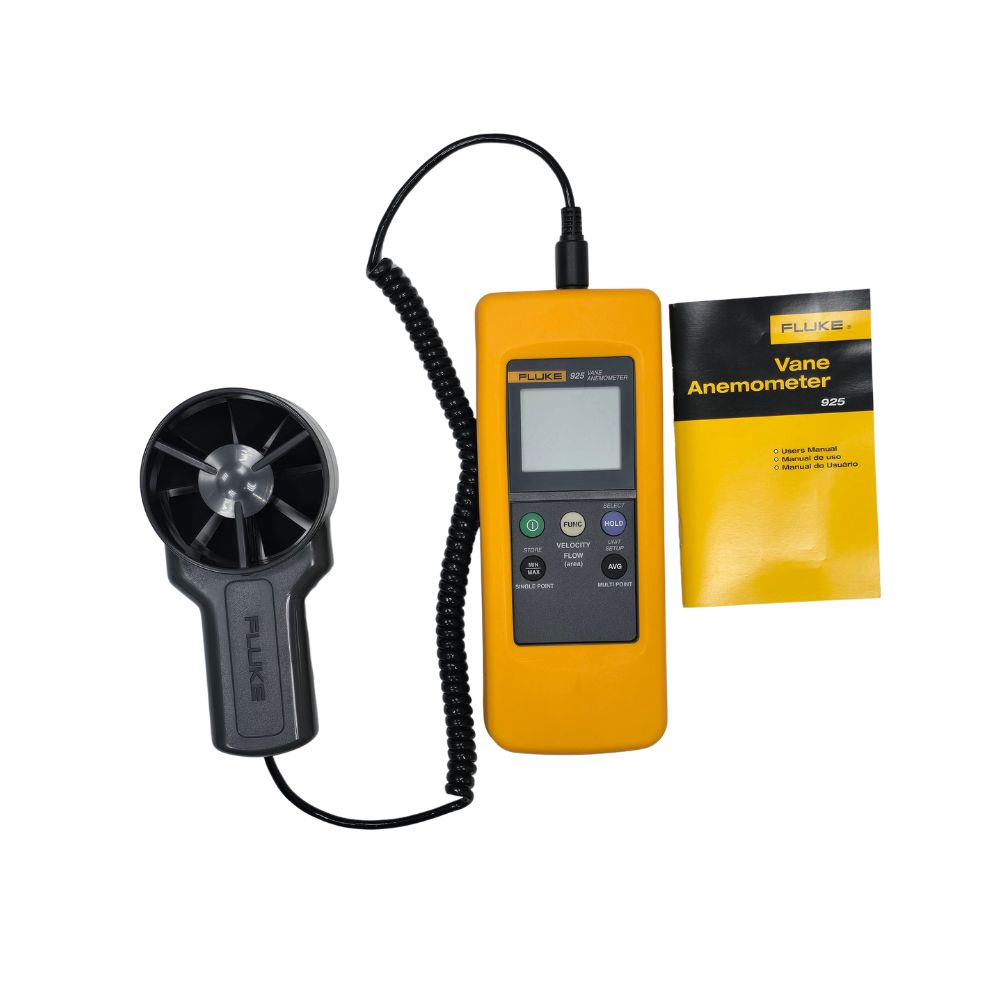
  • Heavy-Duty Industrial Exhaust & Field Audits: Rugged Vane Meter (Fluke 925).
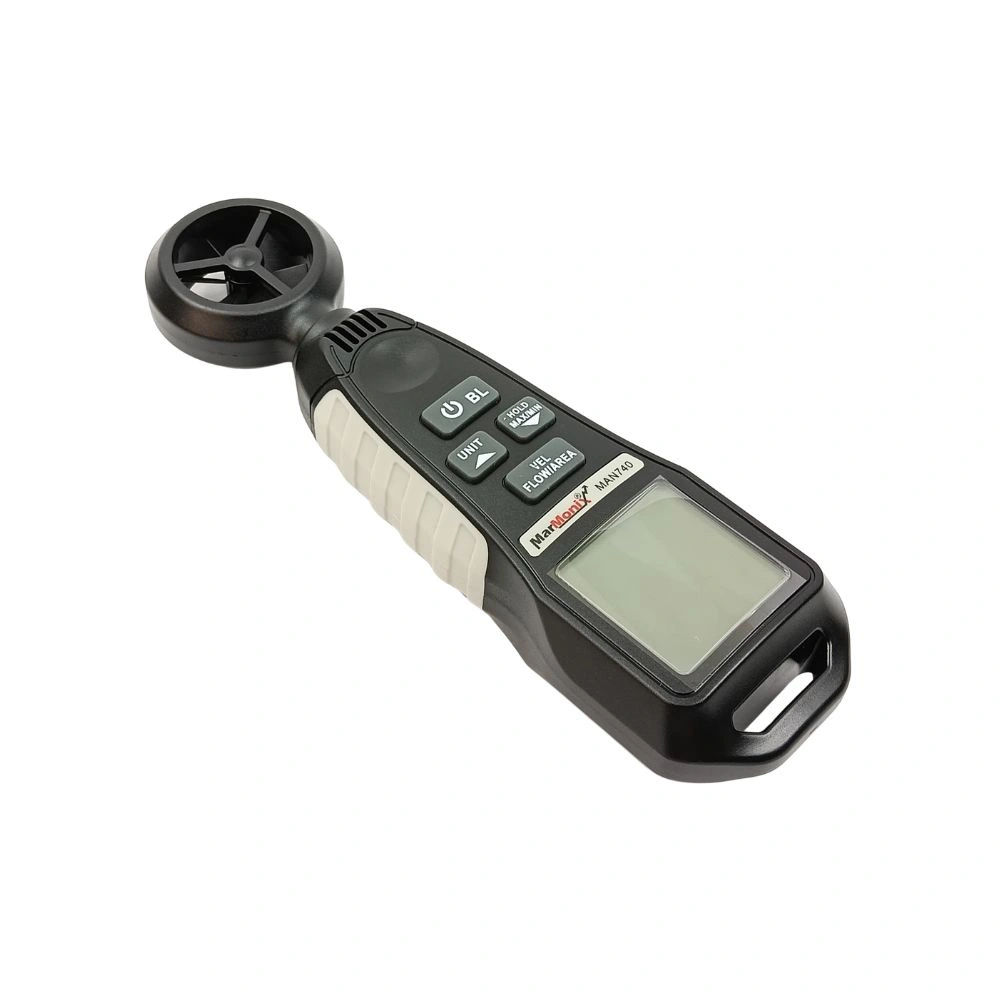
  • Cost-Effective MEP Commissioning & CFM Logging: Multifunction Air Flow Meter (Marmonix MAL-800).

(3)
marmonix logo
AED 490 (excl.VAT) (3 reviews)
(0)
marmonix logo
AED 430 (excl.VAT)
(0)
marmonix logo
AED 410 (excl.VAT)
(2)
Testo-logo-brand-300x196
AED 9,025 (excl.VAT) (2 reviews)
(2)
Testo-logo-brand-300x196
AED 7,439 (excl.VAT) (2 reviews)
(2)
Testo-logo-brand-300x196
AED 6,934 (excl.VAT) (2 reviews)
(2)
Testo-logo-brand-300x196
AED 4,624 (excl.VAT) (2 reviews)
(2)
Testo-logo-brand-300x196
AED 4,087 (excl.VAT) (2 reviews)
(2)
Testo-logo-brand-300x196
AED 3,906 (excl.VAT) (2 reviews)
(2)
Testo-logo-brand-300x196
AED 2,021 (excl.VAT) (2 reviews)
(1)
Testo-logo-brand-300x196
AED 803 (excl.VAT) (1 review)
(1)
Testo-logo-brand-300x196
AED 668 (excl.VAT) (1 review)
(2)
Testo-logo-brand-300x196
AED 582 (excl.VAT) (2 reviews)
(2)
Testo-logo-brand-300x196
AED 523 (excl.VAT) (2 reviews)
(2)
Testo-logo-brand-300x196
Call for price (2 reviews)
(2)
Testo-logo-brand-300x196
Call for price (2 reviews)
(2)
Testo-logo-brand-300x196
Call for price (2 reviews)
(2)
Testo-logo-brand-300x196
Call for price (2 reviews)
(2)
Testo-logo-brand-300x196
Call for price (2 reviews)
(2)
Testo-logo-brand-300x196
AED 13,162 (excl.VAT) (2 reviews)
(2)
Testo-logo-brand-300x196
AED 492 (excl.VAT) (2 reviews)
(0)
Fluke brands
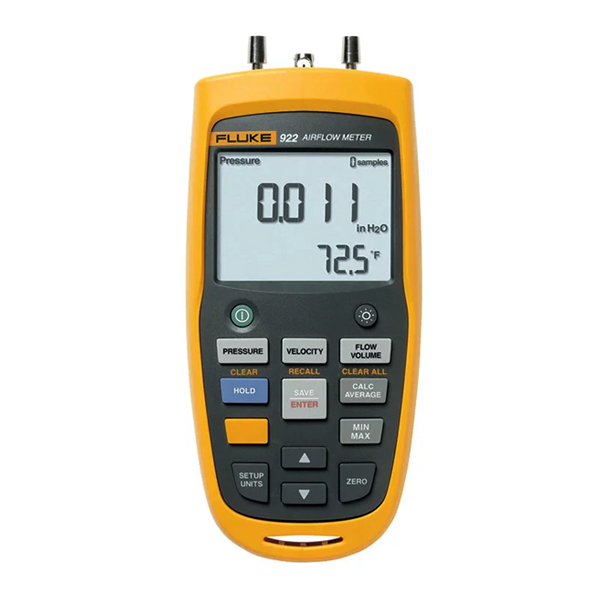
Call for price
(0)
Fluke brands
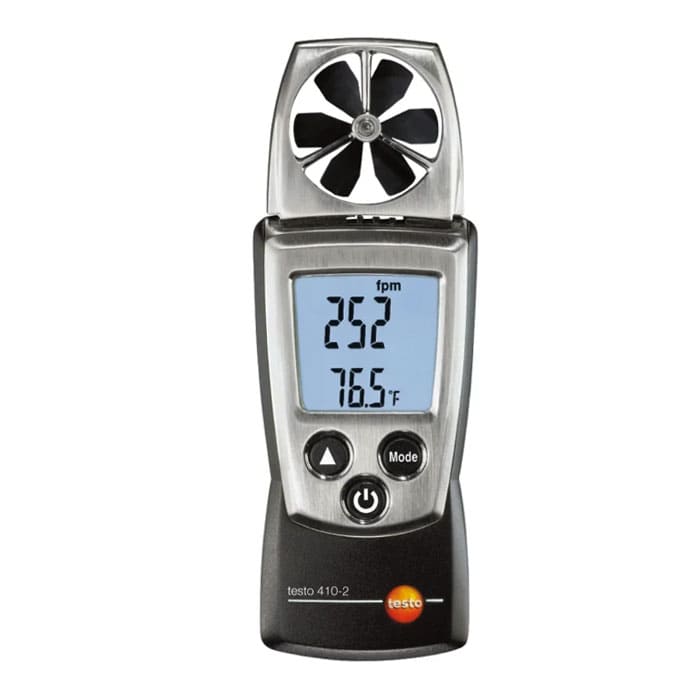
Call for price
(0)
Fluke brands
Call for price

Technical Benchmark Comparison Matrix

Compare leading air flow instrumentation models available with local Dubai stock and ISO/IEC 17025 calibration options:

Model Sensor Technology Velocity Range Accuracy Key Compliance Best Use Case
Testo 417 100 mm Vane 0.3 to 20 m/s ±(0.1 m/s + 1.5% of mv) EN 12599 / ASHRAE 111 Swirl diffusers & air grilles
Testo 405i Hot-Wire Thermal 0 to 30 m/s ±(0.1 m/s + 5% of mv) Smart App / Bluetooth Wireless in-duct balancing
Testo 425 Thermal Probe (Telescopic) 0.01 to 30 m/s ±(0.03 m/s + 4% of mv) ISO 7726 / Cleanroom Low velocity & high-depth ducts
Fluke 925 Detached Vane 0.4 to 25 m/s ±2% Full Scale CE / Industrial Grade Harsh industrial HVAC exhausts
Marmonix MAL-800 Vane + Micro-Controller 0.3 to 45 m/s ±3% ±0.1 RoHS / EMC Approved General MEP audit & CFM/CMM logging

Engineering Selection Guide: How to Choose the Right Air Flow Meter

Selecting the appropriate air velocity and volumetric flow meter depends on aerodynamic conditions, probe geometry, duct accessibility, and measurement environment:

  • Flow Velocity Profile (Low vs. High Velocity): For low velocities (< 2 m/s) common in laminar flow cabinets, cleanrooms, and draft detection, thermal (hot-wire) anemometers provide unmatched sensitivity. For velocities > 5 m/s or turbulent air streams, rotating vane anemometers offer superior mechanical stability.
  • Probe Geometry vs. Measurement Point: Use 100 mm vane anemometers with flow straightener funnels (testovent) for turbulent ceiling diffusers. Use telescopic hot-wire probes for small insertion holes in rectangular or circular duct runs.
  • Volumetric Flow Calculation (CFM/CMM / m³/h): Ensure the instrument allows direct cross-sectional duct area input (A = W × H or A = πr²) to automatically calculate volumetric flow (Q = V × A).
  • Air Density and Temperature Compensation: Hot-wire sensors rely on convective heat dissipation; ensure the device features integrated absolute pressure and temperature compensation for high-ambient GCC climates.
  • Data Logging and Multi-Point Averaging: Choose instruments capable of timed or multi-point continuous averaging (ASHRAE 111 traverse methods) to handle non-uniform duct velocity profiles.

Common Measurement Mistakes to Avoid

  1. Single-Point Duct Measurement: Measuring only in the center of a duct without executing a Log-Tchebycheff or Equal Area traverse results in errors up to 25% due to wall boundary friction.
  2. Measuring Without Flow Straighteners on Swirl Diffusers: Swirl diffusers impart rotational energy to air, causing standard vanes to over-read or under-read drastically. Always use flow straighteners (e.g., Testovent 417).
  3. Using Thermal Probes in Dusty / Condensing Ducts: Particulate matter or moisture droplets contaminate hot-wire micro-beads. Use rugged vane or Pitot-static tubes in dirty exhaust streams.

Core Technical Entities Glossary

  • CFM / CMM: Cubic Feet per Minute / Cubic Meters per Minute; standard metric/imperial units of volumetric air flow rate.
  • Hot-Wire Anemometer: A thermal sensor operating on the principle of heat dissipation from an electrically heated wire to quantify air mass velocity.
  • Vane Anemometer: A mechanical impeller instrument where air velocity is proportional to the rotational speed of the turbine blades.
  • Pitot-Static Tube: A differential pressure sensor measuring total vs. static pressure to derive air velocity via Bernoulli’s equation (V = √(2ΔP / ρ)).
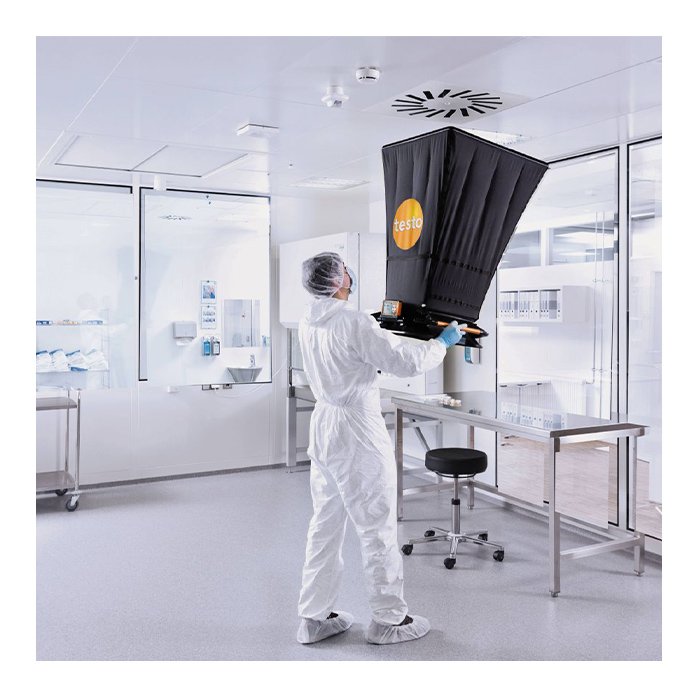
  • Air Volume Flow Hood (Balometer): A large capturing hood placed over diffusers to direct total supply or return air across a central measuring grid.

Industrial Applications: Where Are Air Flow Meters Used?

1. MEP & HVAC Commissioning (TAB)

Testing, Adjusting, and Balancing (TAB) of air distribution networks in commercial towers, hotels, and malls. Verifying duct airflow against design specifications in compliance with ASHRAE 111 and local green building standards (Al Sa'fat / Estidama).

2. Cleanrooms & Pharmaceutical Laminar Flow

Verification of critical low-velocity air barriers (0.45 m/s ± 20%) in sterile cleanrooms, bio-safety cabinets, and hospital isolation rooms according to ISO 14644-3 standards.

3. Oil & Gas / Industrial Process Ventilation

Monitoring explosive atmosphere extraction systems, battery room exhaust ducts, and offshore living quarter HVAC units complying with ADNOC / Saudi Aramco / ATEX safety guidelines.

4. Indoor Air Quality (IAQ) & Thermal Comfort

Assessing building draft ratings, fresh air intake rates, and occupant comfort metrics under ASHRAE 55 and ISO 7730.

Commercial Assurance & Regional GCC Support

  • Local Dubai Stock: Immediate dispatch for core Testo, Fluke, and Marmonix models across Dubai, Abu Dhabi, Sharjah, and Northern Emirates.
  • ISO/IEC 17025 Calibration: Optional traceable calibration certificates accepted by DEWA, SEWA, ADNOC, and municipal authorities.
  • Official Warranty: Full 12 to 24-month manufacturer warranty with factory-authorized service and technical support.
  • GCC Export Logistics: Fast delivery to Saudi Arabia (KSA), Oman, Qatar, Bahrain, and Kuwait with comprehensive export documentation.

Request an Instant B2B Quotation

Submit your procurement requirements for project tenders, volume discounts, or urgent site delivery in the UAE & GCC:

📲 Click to Send WhatsApp RFQ Now


Frequently Asked Questions (Air Flow & Anemometer Instrumentation)

1. What is the difference between Air Velocity and Air Flow (CFM)?

Air Velocity is the speed at which air travels past a point, typically measured in feet per minute (FPM) or meters per second (m/s). Air Flow (Volumetric Flow Rate) is the total volume of air moving through an area over time, commonly expressed in Cubic Feet per Minute (CFM), Cubic Meters per Hour (m³/h), or Liters per Second (L/s). Air Flow is derived by multiplying velocity by duct cross-sectional area: Q = Velocity × Area.

2. How do I calculate CFM from Air Velocity measurements?

To calculate CFM (Cubic Feet per Minute):

• Formula: CFM = Velocity (FPM) × Area (Square Feet)

• Example: If an air duct has dimensions of 12″ × 12″ (1 sq ft) and the anemometer reads 500 FPM average velocity, the volumetric flow is 500 CFM. Most modern digital anemometers (such as Testo 417 or Marmonix MAL-800) calculate this automatically once you input duct dimensions.

3. What is the difference between a Vane Anemometer and a Hot-Wire Anemometer?

• Vane Anemometers: Utilize a mechanical rotating turbine/impeller. They are ideal for high velocity ranges, dirty exhaust air, grilles, and turbulent diffuser outlets (especially with large 100mm heads).

• Hot-Wire (Thermal) Anemometers: Utilize a heated micro-sensor that measures the convective cooling effect of airflow. They provide extreme accuracy for very low velocities (0 to 2 m/s), laminar flow hoods, and in-duct measurements via small drill holes.

4. How do I accurately measure air flow inside an HVAC duct?

Because air velocity is slower near duct walls due to friction, a single center point reading is inaccurate. Standard HVAC commissioning (ASHRAE 111) requires a Log-Tchebycheff or Equal-Area Traverse. Drill small test holes and take multiple readings across a structured grid, then use your meter’s multi-point timed average function. Ensure the test location is at least 7.5 duct diameters downstream and 1.5 diameters upstream of any bends or dampers.

5. When should I use a Pitot Tube vs. an Anemometer?

A Pitot-static tube connected to a differential pressure manometer is preferred for high-temperature, high-velocity (above 30 m/s), or heavy particulate/combustion exhaust streams where delicate electronic vanes or hot wires would degrade. For standard HVAC balancing and thermal comfort audits, digital anemometers offer easier direct readouts.

6. Do air flow meters require periodic calibration in the UAE?

Yes. For authority compliance (DEWA, SEWA, ADNOC, and local QA/QC approvals), test instruments must undergo annual calibration. MME provides ISO/IEC 17025 accredited calibration certificates with full traceability for all Testo, Fluke, and Marmonix air flow meters.